
Balanced Meals for Men's Wellness
Discover how proper nutrition supports energy, strength, and long-term health for men of all ages
Cardiovascular Support
Meals rich in lean proteins, omega-3 fatty acids, and whole grains help maintain healthy blood circulation and heart function.
Energy & Endurance
Strategic carbohydrate and protein timing provides sustained energy throughout the day and supports workout performance.
Muscle Building
Adequate protein intake combined with proper micronutrients supports muscle recovery and growth after exercise.
Mental Clarity
Nutrient-dense meals support cognitive function, focus, and emotional balance throughout your daily activities.
The information on this site is for educational purposes only and does not constitute medical advice. Always consult a qualified healthcare professional before making health decisions.
Why Nutrition Matters for Men's Health
Men's nutritional needs differ significantly from other demographics. As men age, metabolism slows, and the demand for specific nutrients—such as zinc, selenium, and vitamin D—becomes increasingly important for maintaining testosterone levels and overall vitality.
A balanced meal plan addresses these unique requirements by incorporating nutrient-dense foods that support muscle maintenance, bone health, and metabolic efficiency. The right combination of macronutrients (protein, carbohydrates, and healthy fats) ensures your body has the fuel it needs for both physical activity and mental performance.
Consistent, well-planned nutrition also helps regulate blood sugar levels, reduce inflammation, and improve sleep quality—all critical pillars of long-term wellness.
- Sustainable energy: Balanced macronutrient distribution prevents energy crashes and supports consistent productivity.
- Digestive wellness: Adequate fiber intake supports gut health and nutrient absorption.
- Body composition: Strategic meal planning supports lean muscle development while managing healthy weight.
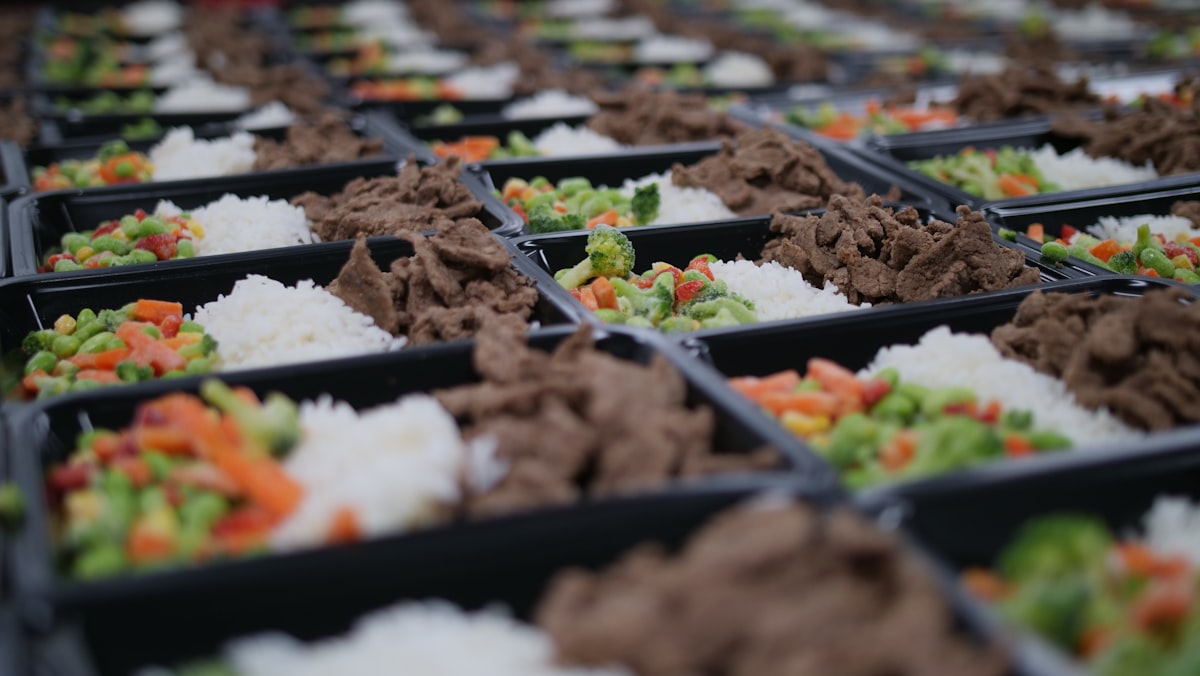
The 4-Step Balanced Meal Framework
Assess Your Goals
Identify whether your primary focus is muscle building, weight management, athletic performance, or general wellness. Your specific goal shapes macronutrient ratios and meal timing.
Build Your Base
Start with lean proteins (chicken, fish, turkey), complex carbohydrates (brown rice, quinoa, oats), and healthy fats (avocado, nuts, olive oil) as your foundation for every meal.
Add Vegetables & Micronutrients
Include colorful vegetables and fruits rich in vitamins, minerals, and antioxidants. Aim for variety to ensure broad micronutrient coverage across your weekly meals.
Time Your Nutrition
Distribute meals and snacks evenly throughout the day to maintain steady energy levels. Consider pre-workout and post-workout nutrition if you exercise regularly.
Sample Meal Plans by Fitness Goal
Muscle Building
Higher protein intake (1.6–2.2g per kg body weight) with adequate carbohydrates to support intense training sessions and recovery.
- Breakfast: 4 eggs, 1 cup oatmeal, banana
- Lunch: 200g chicken breast, brown rice, broccoli
- Snack: Greek yogurt, almonds
- Dinner: 180g salmon, sweet potato, asparagus
Weight Management
Balanced macros with emphasis on satiety and nutrient density. Includes high-fiber vegetables and lean proteins to control appetite.
- Breakfast: 2 eggs, whole wheat toast, tomato
- Lunch: 150g turkey, brown rice, mixed vegetables
- Snack: Apple, 1 tbsp almond butter
- Dinner: 160g lean beef, sweet potato, green salad
Athletic Performance
Strategic carbohydrate timing around workouts with moderate protein for endurance and strength. Emphasis on hydration and electrolyte balance.
- Pre-Workout: Banana, 1 tbsp honey
- Post-Workout: Whey protein shake, rice cakes
- Lunch: 180g chicken, quinoa, roasted vegetables
- Dinner: 170g fish, pasta, zucchini
Key Features of Our Approach
Whole-Food Focused
We prioritize unprocessed, nutrient-dense foods over supplements and convenience products. Real food provides superior nutrient absorption and long-term wellness benefits.
Progress Tracking
Regular assessment of energy levels, performance improvements, and body composition changes helps you see tangible results from consistent nutrition.
Practical Meal Ideas
Balanced meal suggestions focus on foods available in Indonesian markets, respecting local preferences while meeting nutritional standards.
Community Resources
Access educational content, articles, and guidance from our editorial team to deepen your understanding of nutrition science and wellness.
Flexible Scheduling
Whether you prefer structured meal prep or flexible daily planning, our framework adapts to your lifestyle and schedule.
Evidence-Based Content
All recommendations draw from published nutrition science and established wellness principles, not marketing claims or fads.
Nutritional Foundation for Different Life Stages
Ages 20–35: Building Phase
This decade is ideal for establishing strong nutritional habits and building muscle mass. Focus on adequate protein intake, strategic training nutrition, and consistent meal patterns to set the foundation for lifelong health.
- • Protein: 1.6–2.0g per kg body weight
- • Carbs: 5–7g per kg for training days
- • Emphasis on micronutrient variety
- • Sleep and recovery nutrition
Ages 35–50: Maintenance & Optimization
Metabolism naturally slows, requiring attention to nutrient density and portion control. Continue strength training nutrition while incorporating foods that support heart health and hormone balance.
- • Protein: 1.2–1.6g per kg body weight
- • Increased whole grains and fiber
- • Enhanced antioxidant-rich foods
- • Omega-3 and heart-healthy fats
Ages 50+: Longevity & Wellness
Nutrition becomes crucial for maintaining muscle mass, bone density, and cognitive function. Nutrient-dense foods and consistent activity support independence and overall quality of life.
- • Protein: 1.2–1.6g per kg body weight
- • Calcium and vitamin D for bone health
- • Antioxidants for cellular protection
- • Digestive support and nutrient absorption

Frequently Asked Questions
Protein requirements depend on your activity level and goals. For sedentary men, 0.8g per kilogram of body weight is adequate. For those engaged in regular strength training, 1.6–2.0g per kilogram supports muscle recovery and growth. Spread protein intake across meals (25–35g per meal) for optimal muscle protein synthesis throughout the day.
Sustained energy comes from foods with a low glycemic index and adequate fiber. Whole grains (brown rice, quinoa, oats), legumes (beans, lentils), sweet potatoes, and vegetables provide steady glucose release. Pair carbohydrates with protein and healthy fats to further slow digestion and extend energy availability. Avoid refined sugars and processed carbohydrates, which create energy spikes and crashes.
Both are important. Pre-workout (1–2 hours before): consume carbohydrates and a small amount of protein for energy and performance. A banana with almond butter or toast with egg works well. Post-workout (within 30–60 minutes): prioritize protein and carbohydrates to support muscle recovery and refill glycogen stores. A protein shake with fruit or chicken with rice are effective options.
Plan ahead by reviewing menus online and identifying balanced options. Look for grilled or baked proteins, request vegetable sides instead of fries, and choose whole grains when available. Don't hesitate to ask restaurants to prepare food with minimal oil or dressing on the side. Portion control is easier when you're mindful—consider sharing entrees or saving half for later. Balance restaurant meals with home-cooked meals throughout the week.
Properly stored meals last 3–4 days in the refrigerator. Prepare in glass containers to maintain freshness and prevent odor absorption. Freeze portions you won't eat within 3 days for later use. Proteins and grains store well; store vegetables separately if possible to maintain texture. Sauces and dressings keep better when stored separately. Invest in good quality containers—they make meal prep easier and food safer.
Track progress through multiple metrics: energy levels throughout the day, workout performance and recovery, sleep quality, body composition changes (not just scale weight), and overall mood and mental clarity. Take progress photos and measurements monthly. Monitor hunger patterns—consistent hunger may indicate insufficient protein or fiber. Consistency matters more than perfection; sustainable results come from adhering to principles 80% of the time, not 100%.
What Our Readers Are Saying
The meal framework made a real difference in my energy levels. I used to crash mid-afternoon, but with proper carbohydrate timing and consistent protein intake, I now sustain focus throughout the day. The step-by-step approach wasn't overwhelming—I could implement changes gradually and see results.
Ricky Wijaya
Jakarta
I appreciated the focus on whole foods rather than supplements. The articles helped me understand WHY certain nutritional choices matter, not just WHAT to eat. Now I make informed decisions about my meals instead of following random diet trends. That confidence has made all the difference.
Ahmad Setiawan
Bandung
As someone over 50, I was concerned about maintaining muscle while managing weight. The age-specific nutrition guidance was exactly what I needed. The practical meal suggestions use ingredients available here in Indonesia, so implementation has been straightforward and sustainable.
Bambang Kusuma
Surabaya
What impressed me most was the lack of marketing hype. No exaggerated claims, no "miracle" supplements—just solid, science-based information about how to eat well. I'm more confident in the recommendations because they're grounded in actual nutrition principles, not sales pitches.
Hendro Gunawan
Yogyakarta
Stay Updated with Nutrition Insights
Subscribe to our newsletter for evidence-based articles on men's nutrition, wellness strategies, and practical meal guidance delivered to your inbox.
We respect your privacy. Unsubscribe at any time.
Frequently Asked Questions
Find answers to common questions about men's nutrition and our services.
What makes your nutrition plans different for men?
Our plans are specifically designed around men's metabolic rates, hormone profiles, and fitness goals. We focus on muscle development, recovery optimization, and sustained energy for active lifestyles.
How long does it take to see results?
Most clients notice improved energy and digestion within 2-3 weeks. Significant body composition changes typically appear within 6-8 weeks when combined with consistent exercise and proper sleep.
Do you offer meal plans for dietary restrictions?
Yes. We accommodate vegetarian, vegan, keto, paleo, gluten-free, and dairy-free preferences. Our nutritionists customize every plan to match your lifestyle and health requirements.
Can I get support if I have questions during my plan?
Absolutely. All our clients receive email support and access to our online portal. Premium members get weekly check-ins with their assigned nutritionist.
What if I'm not satisfied with my plan?
We offer a 30-day money-back guarantee if you're not satisfied. We want you to feel confident investing in your health with Fitnessnutrimensflow.